West Palm Beach Trailer Hitch Installation
Ready to enhance your vehicle's hauling capabilities? Trailer hitch installation in West Palm Beach is a breeze with our expert guide. Let's tackle this DIY project together, transforming your vehicle into a versatile hauling machine.
Before we dive in, let's address the elephant in the room: safety. Trailer hitch installation involves heavy components and requires proper fitment for your vehicle's make and model. Always consult with a professional or refer to your vehicle's owner manual for specific installation instructions. For those in West Palm Beach, local auto parts stores or West Palm Beach-based mechanics can provide tailored advice.
Understanding Trailer Hitches
First, familiarize yourself with the different trailer hitch types. The most common are class I, II, III, and IV, each designed to tow a specific weight capacity.


To determine which hitch suits your towing needs, consider your vehicle's gross vehicle weight rating (GVWR) and the total weight of the trailer and cargo. Always stay within safe limits to ensure a smooth and secure towing experience.
Class I & II Hitches: Light-Duty Towing
Ideal for compact cars and small SUVs, class I and II hitches can tow underneath 3,500 lbs. Typically, these hitches feature a 1.25" or 2" receiver opening, making them perfect for light trailers like small campers, jet skis, or landscaping trailers.


Installation involves bolting the hitch to the vehicle's frame or rear axle, depending on your vehicle's design. Ensure the hitch does not interfere with the vehicle's exhaust system or other components when choosing a compatible model.
Class III & IV Hitches: Heavy-Duty Towing
Designed for pickup trucks and larger SUVs, class III and IV hitches can tow 5,000 lbs to over 12,000 lbs. These beefier hitches come with 2.5" receiver openings and may require additional reinforcement for your vehicle's bumper or frame.
Before installing, check if your vehicle needs a weight distribution hitch or a load equalizing hitch for better stability and control, especially for heavy towing adventures in West Palm Beach's scenic highways.
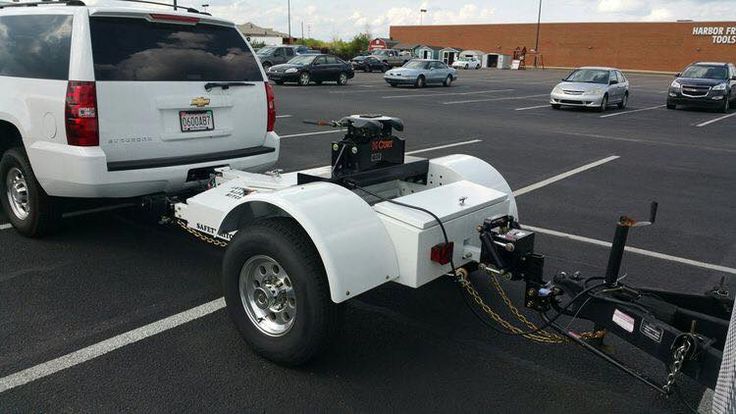


Trailer Hitch Installation: Step-by-Step
Gather your tools: metric socket wrench, ratchet, drill (with appropriate bits), jack, jack stands, and a hitch-specific hardware kit. Follow these steps, keeping safety as your top priority:
1. Determine the best installation location, ensuring the hitch does not interfere with exhaust, bumpers, or other components.
Frame-Mounted Hitches
1. Jack up the vehicle and secure it with jack stands for stability.


2. Make the required frame holes, ensuring they align with the hitch's existing holes.
3. Insert the mounting bolts and secure the hitch using a ratchet and metric socket wrench.
Rear-Axle-Mounted Hitches
1. Follow steps 1 and 2 from the previous section.
2. Position the hitch over the rear axle and align it with the vehicle's frame.
3. Bolt the hitch to the rear axle and frame, ensuring even pressure and proper fitment on both sides.
Towing Essentials: Safety & Accessories
After successful installation, ensure you have the right safety gear: a tow strap, safety chains, and a quality ballmount with the correct size and thread for your trailer.
Consider purchasing a trailer sway control system to enhance stability – crucial for West Palm Beach's bustling highway network and frequent crosswinds. Lastly, always check your local regulations regarding towing weights and safety equipment.
Congratulations, you've just transformed your West Palm Beach ride into a multi-purpose hauler! Now, don't forget to test your hitch with a small load before embarking on longer towing adventures. Stay safe, and happy hauling!
Related Articles

West Palm Beach EV Charging Installation
Are you a West Palm Beach resident considering the switch to electric vehicles (EVs) but uncertain about the installation process for EV charging stations at...

Cadillac Dealer West Palm Beach
When it comes to luxurious and innovative vehicles, Cadillac has long been a leader in the industry. Nestled in the heart of sunny South Florida lies a premier...

Audi Dealers Serving West Palm Beach: Compare & Choose Your Perfect Model Today
When it comes to luxury vehicles, Audi dealers in West Palm Beach stand out for their exceptional service and commitment to quality. Located in the heart of...

Volvo Dealership West Palm Beach
Nestled in the heart of the palm-tree-kissed West Palm Beach, the Volvo dealership stands tall as a beacon of Swedish craftsmanship and innovation. This haven...

Nissan Dealership West Palm Beach
Nestled in the heart of West Palm Beach, the Nissan dealership, West Palm Beach Nissan, stands as a beacon of quality and service for all your automotive...

Napleton Kia West Palm Beach: Discover Quality & Style
Nestled in the heart of West Palm Beach, Napleton Kia serves as a beacon for customers seeking exceptional automotive services. With a strong commitment to...