Suzuki SV650 Seat Swap Compatibility: Years to Consider
The Suzuki SV650, a popular middleweight bike known for its agility and reliability, has been a favorite among riders for its ability to accommodate various pillion riders. Due to its comfort and practicality, a common query among SV650 enthusiasts is about the seat swap years, also known as the passenger seat years. This article delves into the specifics of Suzuki SV650 seat swap years, helping potential buyers and riders make informed decisions.
The Suzuki SV650 offers seating options that cater to different riding preferences and riding styles. Throughout its production years, the SV650 passenger seat has evolved, with changes impacting comfort, style, and features. Let's explore the seat swap years of the Suzuki SV650.
Understanding Suzuki SV650 Seat Swap Years
Before diving into the specifics of seat swap years, it's crucial to understand that the seat swap primarily refers to the interchangeability of rider and passenger seats. This feature allows riders to adjust the bike according to their needs, a significant selling point for the SV650.


The Suzuki SV650 has been produced in multiple generations, with each generation offering distinctive seating options. Understanding the seat swap years involves categorizing these generations and discussing their seat features.
First Generation (1999-2008)
The first generation SV650, produced between 1999 and 2008, introduced the bike to the market and set the standard for its comfort and practicality. During this period, the SV650 featured a dual-seat configuration with a minor height difference between the rider and passenger seats. This design allowed for ease of seat swapping, a trait that continued through multiple SV650 generations.


During this period, Suzuki offered seat swap options predominantly focusing on comfort. The seats were narrower at the back, providing ample room for pillion riders. Moreover, the seat swap involved minimal differences in seat height, which is ideal for riders who frequently ride solo or with a passenger.
Second Generation (2009-2017)
The second generation SV650, introduced in 2009, brought significant design changes, including an updated frame, improved suspension, and a more powerful engine. The seating options during this period also evolved, incorporating more features catering to varying riding styles.
The passenger seat of the second-generation SV650 was more spacious, catering to riders who frequently ride with a passenger. Additionally, Suzuki introduced different seat heights for the rider seat, accommodating various rider heights. Seat swapping during this period involved adjusting the seat height and motorcycle-to-passenger distance, enhancing comfort for both rider and passenger.


Significance of Seat Swap Years
The seat swap years of the Suzuki SV650 hold significance for several reasons. Firstly, the seat swap feature allows riders to customize their bike according to their riding needs. Whether opting for a solo ride or a ride with a passenger, seat swapping ensures that the rider and pillion remain comfortable throughout the journey.
Secondly, the evolution of the seat swap feature over the years reflects Suzuki's commitment to customer convenience and comfort. By offering varied seating options, Suzuki has targeted diverse riding demographics, from solo riders to couples and families who like to ride together.
Advantages of Seat Swapping
Seat swapping offers numerous advantages, making it a highly sought-after feature among bikers. Firstly, it allows for personalized comfort, ensuring that both rider and passenger can adjust the seats according to their preferences. Secondly, it facilitates the accommodation of different passenger heights and sizes, a significant advantage when riding with varied passengers.


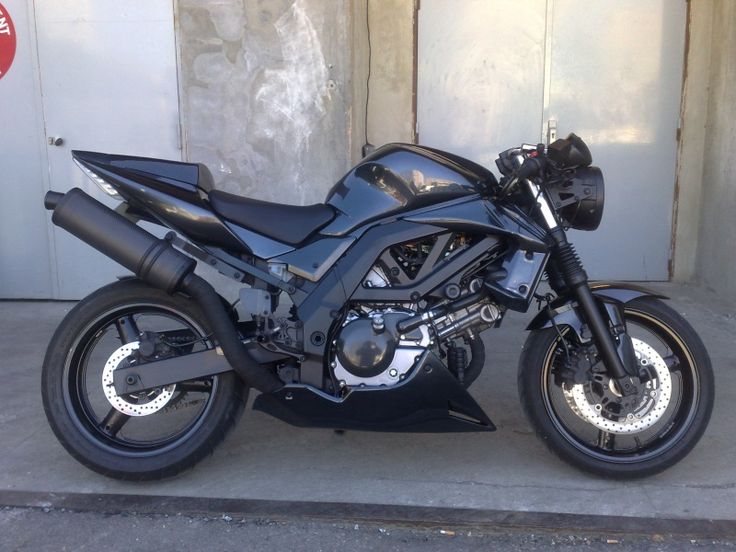

Lastly, the seat swap feature promotes motorcycle safety. By ensuring that both rider and passenger are comfortable, the chances of fatigue, discomfort, and, consequently, accidents, reduce significantly. Furthermore, the ability to swap seats quickly makes the SV650 highly versatile and practical for a wide variety of riding scenarios.
Whether you're a new or experienced rider, understanding the seat swap years of the Suzuki SV650 can help you make an informed purchase decision. The SV650's commitment to rider comfort and practicality, evident in its various seat swap options, makes it an excellent choice for riders seeking a versatile and comfortable motorcycle. So, consider the different seat swap years when thinking about your next bike purchase and experience the joy of riding a Suzuki SV650 today.
Related Articles

Suzuki VanVan 200: Ideal Sitzhöhe für jeden
The Suzuki VanVan, a popular choice among scooter enthusiasts, always sparks curiosity about its seat height, a crucial factor for comfort and control. But how...

"2007 Suzuki SV650 Tall Rider's Guide: Perfect Fit in 2023"
The 2007 Suzuki SV650 has long been a favorite among riders seeking a balance between sporty performance and everyday practicality. But for tall riders...

Mustang Car Seat Compatibility: Guide for Parents
When it comes to keeping our little ones safe on the road, vehicle compatibility is a top concern for parents. One of the most popular vehicles among...

Suzuki Vitara 2002 Tire Size: Ultimate Compatibility Guide
Embarking on a quest to understand the tire size of the mighty Susuki 2002? You're in the right place. With the influx of information available online, it can...

Motorcycles Like Suzuki TU250X: Alternatives to Consider
If you're in the market for a motorcycle with a similar spirit to the Suzuki TU250X, you're in for a treat. The TU250X is known for its classic design...

Orlando's Top Used Suzuki SV650: Save Big, Ride Today
Looking to upgrade your riding experience without breaking the bank? The Orlando market has a thriving community of motorcycle enthusiasts and a wide range of...