LS7 Supercharged Engine: Unleashed Power and Performance
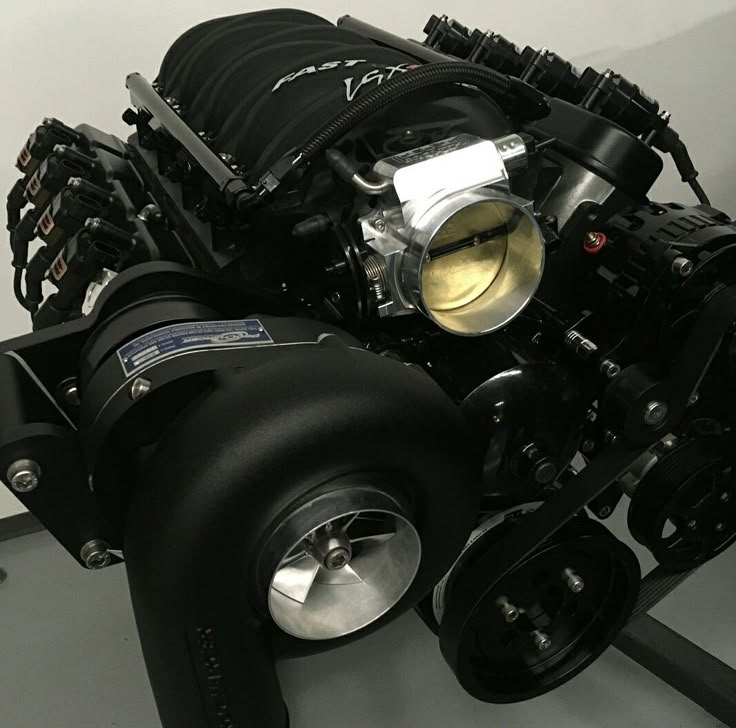
The LS7 supercharged engine, affectionately known as the "LS9" by enthusiasts, is a high-performance powerplant that has captured the hearts of driving enthusiasts worldwide. This 7-liter V8 engine, as the name implies, displaces 427 cubic inches and is renowned for its stunning horsepower and torque outputs, all thanks to its supercharger. Let's delve into the fascinating world of the LS7 supercharged engine, exploring its origins, design, performance, and impact on the automotive scene.
Born from the General MotorsPerformance and Racing Operations (GM PRR) in 2005, the LS7 was initially developed for use in the legendary Corvette Z06 and the track-focused C6.R, a racing variant of the Corvette. GM aimed to create an engine that would push the boundaries of performance, combining the reliability and outright power that made the LS1 and LS6 so successful. Little did they know, they were creating a monster that would inspire a devoted following and rumors of supernatural abilities.
Understanding the LS7's Design
At its core, the LS7 is a high-revving, overhead-cam, four-valve-per-cylinder design. It shares many similarities with its smaller LS3 and LS6 siblings, but where it distinguishes itself is in its stroked crankshaft, raising the engine's displacement to 7 liters. This, in turn, allows for bigger valves, larger intake and exhaust ports, and an aggressive camshaft profile, all of which contribute to the LS7's remarkable performance.


The LS7's supercharger is a Roots-type blower, more commonly known as a "positive displacement" supercharger. By using a gear-driven system, this supercharger forces more air into the engine than a centrifugal ("centrifugal force") supercharger can, yielding greater power raw figures at the cost of slightly lower top-end power.
Roots-Type Supercharger Design
The LS7's roots-style supercharger, designed and built by Eaton, is an essential component of the engine's power output. With a displacement of 1.9 liters, the supercharger spins at up to 15,000 RPM, delivering up to 9 psi of boost pressure. This dense charge of air, combined with the engine's higher compression ratio (11.0:1), results in impressive power figures.


To handle the increased cylinder pressure, the LS7 uses thicker and beefier components throughout, including steel crankshafts, forged aluminum pistons, and ARP fasteners at crucial points. Despite these enhancements, the LS7 is remarkably reliable, thanks to the careful engineering and precision manufacturing from GM.
Camshaft and Valvetrain Dynamics
The LS7's camshaft is a high-performance machination, skewed towards high-rpm performance. With its aggressive lobe profile, the camshaft allows the engine to breathe freely and produce power at maximum RPM. This camspec, combined with the four-valve cylinder head and direct-acting mechanical bucket (DOHC) valvetrain, enables the LS7 to rev happily to its 7,000 RPM redline, laying down power in a manner few other engines can match.
The valvetrain uses hydraulic lifters with a variable]androck setup, which allows for smooth operation and consistent valve lift at high RPMs. The camshaft is driven by an 8.5mm chain, ensuring minimal wear and silent operation even under heavy load.


Performance and Impact on the Automotive Scene
The LS7's performance is nothing short of astounding. In factory tune, the engine produces 505 horsepower at 6,300 RPM and 479 lb-ft of torque at 4,800 RPM. This makes the LS7 one of the most powerful naturally aspirated V8 engines on the market, period. In modified trim, the LS7 has demonstrated the capability to produce over 1,000 horsepower, cementing its status as a drag racing legend.
The power output of the LS7 has instantaneously turned the mundane into the extraordinary. Mated to a decent transmission and well-sorted chassis, the LS7 can propel vehicles to otherworldly performance levels, making it a favorite among tuners and modifiers. The engine's flexibility and responsiveness, combined with its practically limitless tuning potential, have spawned countless projects ranging from street-legal sleepers to race cars and everything in between.
Applications and Legacy
The LS7 isn't restricted to its birthplace – the C6 Corvette Z06. Thanks to its modular design and widespread availability of aftermarket support, the LS7 has found its way into various platforms. From muscle cars like the Camaro and Mustang to off-roaders like the Jeep Wrangler and even boats and aircraft, the LS7's performance and reliability have made it an appealing choice for enthusiasts seeking high-power, high-revving excitement.


The LS7's legacy lives on in the form of modern GM performance engines, such as the LT1 and LT4. These engines share many design cues and technological advancements with the LS7, ensuring that the spirit of the LS7 lives on in today's high-performance engines.
As the sun sets on the LS7's production run, one thing remains clear: the LS7 supercharged engine has left an indelible mark on the automotive landscape. From its humble beginnings as a race track-only engine to its current status as an iconic performance powerplant, the LS7 has challenged enthusiasts to push the boundaries of performance and raised the standard by which other high-performance engines are measured. As we look to the future, we can only speculate on what the next generation of performance engines will bring. But rest assured, the memory of the LS7 will live on, inspiring driving enthusiasts for generations to come.
Related Articles

Polaris Pro X 600: Engine Power & Off-Road Performance Unleashed
The Polaris Pro X 600 is a powerhouse of an ATV, designed to conquer even the toughest terrains with ease. Whether you're a hardcore outdoor enthusiast, a...

2021 Supra Engine: Power, Performance & Specs
The 2021 Toyota Supra, a long-awaited revival of the iconic sports car, has taken the automotive world by storm. With its powerful engine and sleek design...

Rover V8 Crate Engine: Power Unleashed
The Rover V8 crate engine, a popular choice among classic car enthusiasts and restorers, has been providing power and nostalgia since its debut in the late...

84 Celica GTS: Power, Style, and Performance Unleashed
The Toyota Celica, a sporty compact car produced between 1970 and 2006, is renowned for its blend of affordability, performance, and style. One variant that...

2019 Toyota Camry: Power & Efficiency Unleashed
The 2019 Toyota Camry, a top contender in the midsize sedan segment, comes packed with powerful engine options that deliver an exceptional balance of...

HP Tuners Supercharged Tundra: Ultimate Power & Performance
Immerse yourself in the exhilarating world of automotive performance with HP Tuners' Tundra Supercharged setup, designed to transform your Toyota Tundra into a...