DIY Boat Loading: How to Load Your Boat by Yourself
Embarking on a journey to load a boat single-handedly? You're not alone in your quest for independence, safety, and efficiency on the water. By mastering the art of single-handed loading, you can enhance your boating experience, prepare for emergencies, and minimize the need for help. Let's dive into the essential aspects of loading a boat by yourself, from preparation to execution.
Before we Begin: Checklist and Safety Brief
Understanding Your Boat and Load
Before you start, gain a clear understanding of your boat's specifications, capacity, and center of gravity. This knowledge will help you distribute weight evenly and prevent capsizing. Additionally, assess the size, shape, and weight of your cargo to plan for efficient loading.


Consider using the "80/20" rule – 80% of your weight should be concentrated in the middle 20% of your boat. This helps maintain stability and control while you're out on the water.
Transferring Heavy Loads
Leverage your boat's low freeboard and wide beam to make loading heavy objects less taxing. Use dolly, trolley, or even a small winch to move heavy gear over the gunwale. Remember, the smaller and lighter you can make your loads, the easier it will be to manage them alone.


Techniques like the "Navy-Prat" method can help you lift heavy objects from a higher position (like a dock) into your boat. With practice, you can efficiently move everything from heavy anchors to filled coolers.
Securing Your Load
Once your cargo is safely onboard, secure it using strong ropes, ties, or ratchet straps. Follow the "Boat-U blitz" method to create a safe, secure lash point: one loop around the object, over the centerline of your boat, then back around and under.
Use keeper ropes or chocks to prevent heavy objects from shifting or sliding. Inspect your lashings frequently during transportation to ensure they remain tight and secure.


Practicing Proper Launching and Recovery Techniques
Mastering solo launching and recovery techniques will help you build confidence and ensure safety. There are many methods to launch a boat by yourself, including using a winch, a come-along, or even your vehicle, depending on your setup and shore conditions.
Always choose a launch point with a gentler slope and shallow water to minimize the risk of damaging your boat or getting stuck. Practice your technique beforehand to build proficiency and prevent mistakes.
Using a Winch
For a smoother and safer launching and recovery process, consider investing in a high-quality winch. Mount it securely on a sturdy surface, run the cable through a fairlead, and connect it to a sturdy point on your boat. With a winch, you can control the speed and tension of the cable, making it easier to launch and retrieve your boat single-handedly.


While using a winch, ensure you have a reliable power source, such as a portable battery pack. Inspect the cable and fairlead regularly for signs of wear, and always wear gloves to protect your hands while operating the winch.
Alternative Launching Techniques
If you don't have access to a winch or prefer a more manual approach, consider using a come-along or a simple pulley system to launch and retrieve your boat. These methods involve setting up a series of ropes and pulleys to leverage mechanical advantage, reducing the force required to move your boat in and out of the water.
For practical and safe solo launching, long-handled boat Buddies, ramps, and even portable lifts designed for personal watercraft can provide efficient and low-effort solutions. Always ensure the launching method you choose is safe, stable, and suitable for your boat's size and weight.
Now that you're equipped with the knowledge and techniques to load your boat by yourself, it's time to get out there and gain some practical experience. Start with calm, familiar waters, and gradually challenge yourself as your skills and confidence grow. Remember, safety is paramount, so always wear your life jacket and follow good boating practices. Happy boating!
Related Articles

Handerly Boat Insurance: Comprehensive Protection for Your Maritime Adventure
Whether you're a seasoned sailor or just starting to dip your toes into the world of boating, ensuring your prized possession is protected is paramount...
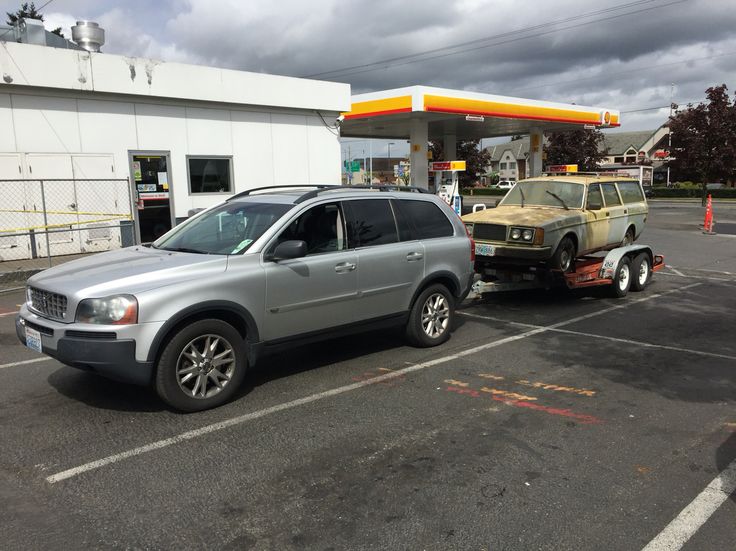
Max XC90 Towing Capacity: Safely Haul Your Load
The 2021 Volvo XC90, a midsize luxury SUV known for its robust performance and safety features, raises the bar with its impressive towing capacity. This...

Truck Bed Auxiliary Heater: Keep Your Load Warm
When winter sets in and temperatures plummet, truck drivers face a unique challenge: keeping their vehicle's cabin comfortable while ensuring fuel efficiency...

Michigan Boat Insurance: Protect Your Nautical Haven Today
Embarking on the tranquil waters of Michigan, whether you're a seasoned boater or a weekend sailor, protecting your watercraft with the right boat insurance is...

Maximize Your Hauling: Ford F250 Load Capacity Revealed
The Ford F250, a powerhouse among pickup trucks, has been a trusted workhorse for generations. When it comes to hauling and towing, one crucial factor to...

Arkansas Boat Insurance: Protect Your Watercraft Today
When it comes to protecting your investment in Arkansas's waterways, having the right boat insurance is as crucial ascharting a safe course. Arkansas offers a...