Maxed Out: Rooftop Carrier's Load Capacity Overload
Have you ever faced a situation where your rooftop carrier, designed to handle your camping gear or luggage, suddenly gave way under the weight, causing a safety concern or even damage to your vehicle? This could be due to exceeding its load capacity, a common issue that many vehicle owners overlook. Understanding your rooftop carrier's load capacity is crucial for safe and worry-free travel.
Rooftop carriers, whether they are roof boxes, baskets, or cargo bags, have a specified maximum weight they can safely handle. This capacity takes into account the weight of the carrier itself, the load it can carry, and the vehicle's roof rack's weight limit. Exceeding this capacity can lead to various problems, from damaging the carrier and the vehicle to creating unsafe driving conditions.
Understanding Load Capacity Limits
The load capacity of a rooftop carrier is typically measured in pounds (lb) or kilograms (kg) and includes the weight of the items you intend to carry, not just the carrier itself. It's crucial to understand this distinction to ensure you're not inadvertently exceeding the limit.


For instance, if your rooftop carrier has a load capacity of 150 lb (68 kg), it means you should not load more than 150 lb, even if the carrier itself weighs less. This limit includes the combined weight of your luggage, camping gear, or other items you're carrying.
Checking Your Rooftop Carrier's Load Capacity
Most manufacturers provide the load capacity on the product's specification sheet or in the user manual. If you've misplaced these, you can often find this information on the manufacturer's website or contact their customer service for assistance. Always prioritize safety by checking the exact load capacity before loading your rooftop carrier.


Additionally, it's essential to check your vehicle's roof rack's weight limit. The roof rack's capacity must be at least as high as that of the carrier to ensure the safety of your setup.
Equipping Your Vehicle for Heavy Loads
If you frequently carry heavy loads, consider investing in a rooftop carrier designed for high load capacities. These carriers often feature reinforced structures and heavier materials to handle the weight. Moreover, ensure your vehicle's roof rack is similarly robust and capable of supporting the intended load.
In some cases, you might need to upgrade your vehicle's roof rack or consider a different carrier type to handle your load safely.


Practical Tips for Loading Your Rooftop Carrier
Packing your rooftop carrier efficiently and securely can help you stay within its weight limit. Here are some tips to help you achieve this:
1. **Distribute Weight Evenly:** Pack heavier items toward the center of the carrier and distribute them symmetrically. This helps balance the load and reduces the risk of damaging the carrier or causing it to tip.
2. **Secure Your Load:** Use sturdy straps or a cargo net to secure your items to the carrier. This prevents them from shifting during transit, which can help you stay within the weight limit and maintain safety.


3. **Avoid Overhang:** Items should not extend beyond the edges of the carrier. Overhanging items can create additional wind resistance and aerodynamic issues that could lead to instability, especially at high speeds.
4. **Leave Air Vents Open:** Rooftop carriers often have built-in vents to prevent heat buildup. Keep these vents open to avoid adding extra weight, as closed vents can increase the carrier's weight.
Recognizing Signs of Overweight Load
Even if you've checked your load before departure, it's essential to be aware of signs that your rooftop carrier might be overweight during travel. Some of these signs include:
1. **Difficult Steering:** An overweight rooftop carrier can affect your vehicle's handling, making steering more difficult.
2. **Excessive Noise:** If your carrier is making more noise than usual, it could be a sign that it's struggling under the weight and needs immediate attention.
3. **Visible Sagging or Deformation:** If your carrier appears sagging or deformed, it might be a sign that it's carrying too much weight, which could lead to permanent damage or failure.
If you notice any of these signs, pull over safely and reassess your load. You might need to remove some items or redistribute the weight to ensure safety.
Remember, the weight limit is there for a reason. Exceeding it not only risks damaging your carrier and vehicle but also puts your safety and that of other road users at risk. Always prioritize safety and follow the manufacturer's guidelines for the best results.
Happy and safe travels! Remember, the key to a smooth journey lies in proper preparation and an understanding of your gear's limitations. By following these guidelines and staying within your rooftop carrier's weight limit, you're ensuring a safer, more enjoyable travel experience.
Related Articles

2018 Toyota Tacoma Towing Capacity: Max Load & Tips
The 2018 Toyota Tacoma, a robust and capable pickup truck, has gathered a strong reputation for its strength and capability, including a commendable towing...

Tuff Stuff Elite Overland Rooftop Tent: Weight & Capacity Guide
Are you an overlanding enthusiast on the hunt for a reliable, lightweight rooftop tent? Look no further than the Tuff Stuff Elite Overland Rooftop Tent...

Chevy Express Towing Capacity: Max Load & Tow Ratings
The Chevy Express, a versatile and durable van produced by Chevrolet, is renowned for its robust build and impressive towing capabilities. Whether you're a...

Maxed Out: 2012 Silverado 1500'sاينual Towing Capacity
The 2012 Chevrolet Silverado 1500, a stalwart in the full-size pickup truck market, is renowned for its robust capabilities, including its impressive towing...
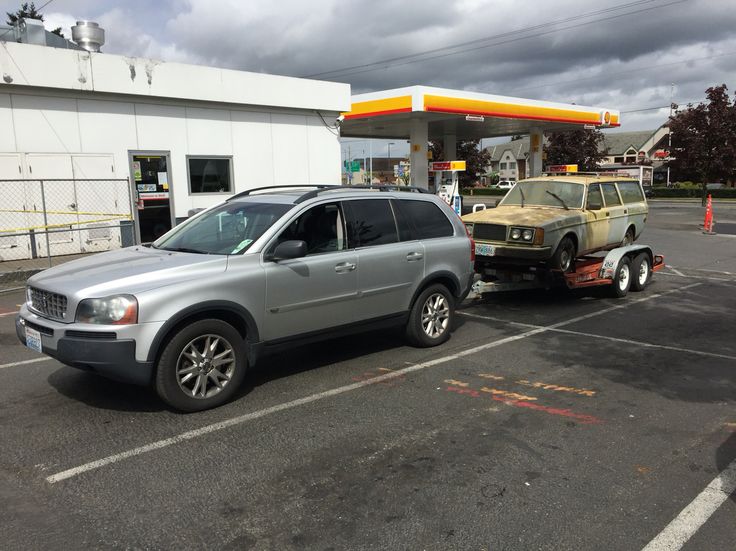
Max XC90 Towing Capacity: Safely Haul Your Load
The 2021 Volvo XC90, a midsize luxury SUV known for its robust performance and safety features, raises the bar with its impressive towing capacity. This...

2015 Mazda CX-5 Towing Capacity: Maximum Load & Specs
The 2015 Mazda CX-5, a compact SUV praised for its responsiveness and styling, is also a capable vehicle when it comes to towing. Understanding this model's...