Can You Safely Tow an ATV?
Ever found yourself in a situation where you needed to move your ATV but didn't have a trailer on hand? The question of whether you can tow an ATV might have crossed your mind. While it's not the most conventional method, towing an ATV can be an option in certain circumstances. Let's delve into the details to help you make an informed decision.
Before we proceed, it's essential to understand that towing an ATV is not as straightforward as towing a car. ATVs are designed for off-road use and have different weight distributions and suspensions. They're also not built to withstand the stress of being towed for long distances or at high speeds. However, in emergency situations or short distances, towing can be done safely with the right preparation and precautions.
Understanding Your ATV's Capabilities
First, check your ATV's owner manual. Some manufacturers prohibit towing due to potential damage to the ATV's drivetrain or other components. Ignoring these warnings could void your warranty or, worse, cause serious damage to your ATV.


Secondly, consider your ATV's size and weight. Four-wheeler ATVs are generally easier to tow than side-by-side or utility ATVs due to their smaller size and lower weight. Always ensure the towing vehicle has enough capacity to pull the ATV's weight safely.
Towing with Four Wheels on the Ground
This method involves thesis the ATV's front wheels off the ground and securing them to the tow vehicle. This is usually the preferred method for short distances at low speeds. Ensure the ATV's parking brake is engaged and the transmission is in neutral for a smooth tow.


To secure the ATV, you'll need a sturdy towing strap or a tow bar designed for ATVs. Wrap the strap around the ATV's frame and the tow vehicle's receiver hitch, ensuring it's tight and secure. Use a net or a ramp to keep the ATV's wheels off the ground during towing.
Towing with Two Wheels on the Ground
Towing an ATV with two wheels on the ground, often called 'four down,' is not recommended by most manufacturers. The ATV's suspension and drivetrain are not designed to cope with the stress of being pulled along the ground. Additionally, the ATV's tires could wear out prematurely, and you might face alignment issues.
However, if you're in an emergency situation, ensure the ATV's parking brake is engaged, the transmission is in neutral, and the throttle is secured. Use a towing strap or a tow bar to secure the ATV to the tow vehicle. Drive slowly and only as far as necessary to minimize damage to the ATV.


Preparing Your ATV for Towing
Before towing, make sure your ATV is in good condition. Check the tire pressure and ensure there are no leaks in the fluids.ATORs do not have parking gears, so engage the parking brake to prevent the ATV from rolling while being towed.
Secure any loose items on the ATV that could shift or fall off during towing. This includes luggage racks, coolers, or other accessories. Additionally, remove the key from the ignition to prevent accidental startup.
Optimizing Your Tow Vehicle
Choose a tow vehicle with enough power to pull the ATV safely. Pickup trucks, SUVs, and some larger cars can handle ATV towing. SUVs with hitch receivers are ideal as they can accommodate a variety of towing configurations.


Before hitting the road, ensure your tow vehicle is in good condition. Check the tire pressure, oil level, and fluid levels. Make sure your vehicle's suspension can handle the extra weight. Lastly, ensure your mirrors provide adequate coverage when towing the ATV.
In the end, while it's technically possible to tow an ATV in certain situations, it's always recommended to use a specialized trailer designed for ATVs. Trailers provide a safe, secure, and damage-free method for transporting your ATV. If you find yourself in a position where towing is the only option, ensure you do so safely and sparingly. Always remember, prevention is better than cure - invest in a quality trailer for your ATV needs.
Related Articles

Mastering Rain Driving: Break Hard Safely
Driving in heavy rain can be a daunting task, as visibility decreases and road surfaces can become treacherous. One concern that often arises is whether your...

Subaru Outback Dog Gate: Perfect for Pets and Safely
Searching for the perfect dog gate for your Subaru Outback ? Look no further. Securing your car's cargo area for your furry friend is not only practical but...

Safely Driving with a Faulty Torque Converter
Driving with a bad torque converter might seem like the easy way out, avoiding the immediate cost of repair, but it's a decision that could lead to bigger...

How to Legally and Safely Tow Two Cars at Once
Pulling two cars at once might seem like a logistical challenge, but it's entirely possible with the right equipment and knowledge. This practice, often...

Foggy Windshield: How to Drive Safely in the Car
Have you ever found yourself struggling to see through the thick fog that has taken over your car windshield? This common driving hazard can catch you off...
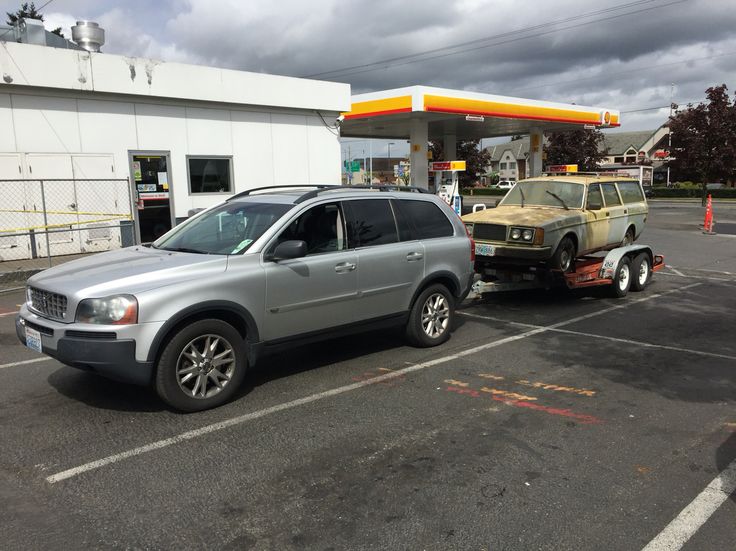
Max XC90 Towing Capacity: Safely Haul Your Load
The 2021 Volvo XC90, a midsize luxury SUV known for its robust performance and safety features, raises the bar with its impressive towing capacity. This...