Rejuvenate Your Ride: Can a Clogged Catalytic Converter Be Cleaned?
Have you ever noticed your vehicle struggling to accelerate, emitting more exhaust fumes, or even hesitate to start? These could be signs of a clogged catalytic converter, a critical component in your car's exhaust system. But can this issue be cleaned, or is replacement the only way out?
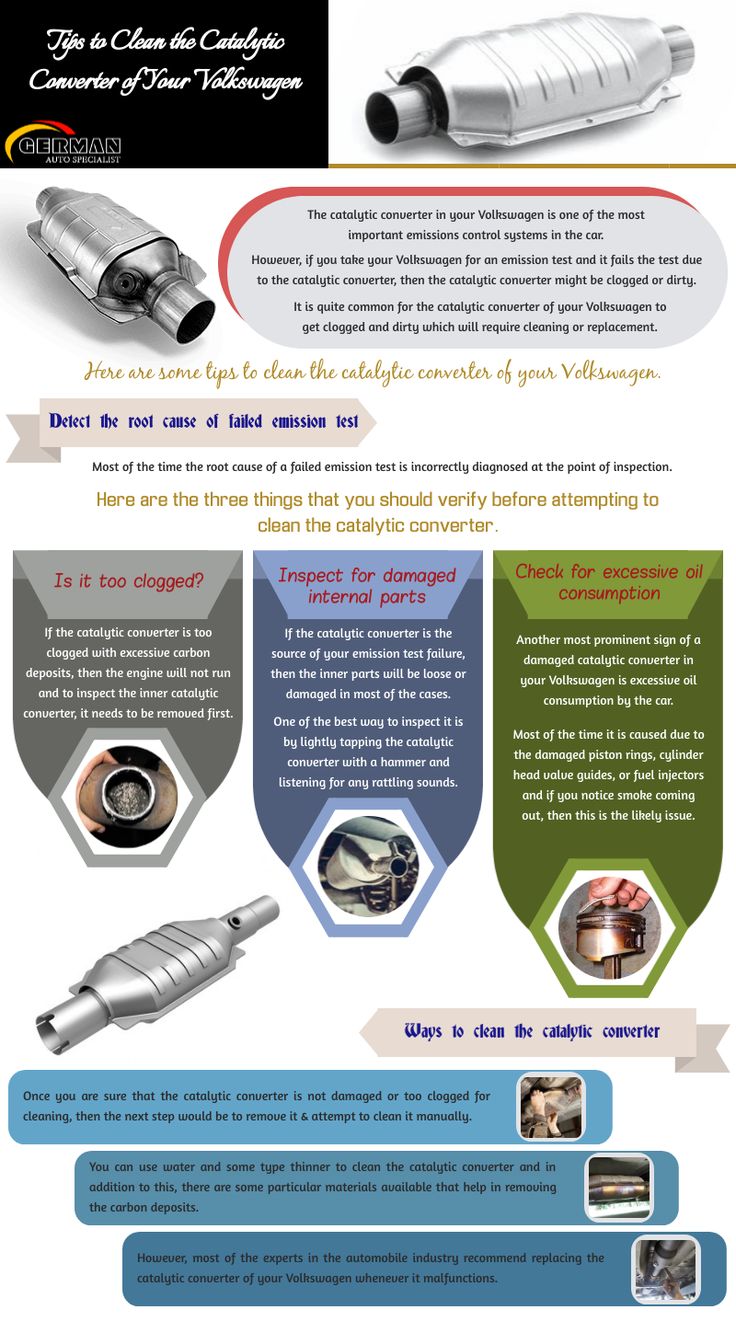
The quick answer is yes, a clogged catalytic converter can potentially be cleaned, but it depends on the extent of the damage. Let's delve deeper into this topic, exploring the causes, cleaning methods, and when it's better to consider a replacement.
When & Why Do Catalytic Converters Clog?
Catalytic converters play a vital role in reducing harmful emissions from vehicles. However, they can clog over time due to several reasons:


- Age and Mileage: Normal wear and tear can cause the converter's internal structure to degrade, leading to clogging.
- Neglecting Oil Changes: Poorly maintained oil can increase vehicle emissions, causing the converter to work harder and eventually clog.
- Inadequate Lubrication: Insufficient lubrication can result in excessive heat and damage to the converter.
Conventional Methods for Cleaning Clogged Catalytic Converters
Before considering catalytic converter cleaning, it's essential to understand the conventional methods:
- Pressure Washing: This involves using high-pressure water jets to remove clogs. However, it may not be effective for severe clogs or when the internal structure is damaged.
- Grupa Repair: This process uses a chemical solution to clean the converter. While effective, it's also quite expensive.
Modern Cleaning Solutions for Clogged Catalytic Converters
Advanced technologies offer more efficient cleaning solutions:


- Ultrasonic Cleaning: This uses high-frequency sound waves to clean the converter's internal structure, providing thorough and efficient results.
- Plasma Cleaning: Using plasma technology, this method effectively removes carbon and other deposits, restoring the converter's efficiency.
When to Consider Replacement Over Cleaning
While cleaning can often restore a catalytic converter to working condition, there are instances when replacement is the better option:
- Extensive Damage: If the converter's metallic honeycomb structure is severely cracked or collapsed, cleaning may not be sufficient.
- Cost-Effectiveness: In some cases, the cost of cleaning may outweigh the cost of replacement, making it the more economical choice.
In conclusion, while cleaning a clogged catalytic converter is possible, it's essential to consider the extent of the damage, the cleaning method, and the cost. Regular vehicle maintenance, including timely oil changes, can help prolong the life of your catalytic converter, saving you from expensive repairs or replacements. So, keep an eye on your vehicle's performance, and don't hesitate to consult with a professional mechanic for expert advice.




Related Articles

"Keep Your 2002 Galant Purring: Quality Heat Shield for Catalytic Converter"
The Mitsubishi Galant, renowned for its performance and reliability, is a robust vehicle that requires quality maintenance, including the upkeep of its exhaust...

Maximize Your Chevy's Longevity: Top Tips to Extend Catalytic Converter Life
The life expectancy of a Chevy catalytic converter is a significant factor in maintaining your vehicle's performance and muffling its exhaust sound. This...

Rejuvenate Your Ride: Nissan Murano Battery Replacement Guide
The Nissan Murano, a mid-size SUV known for its sleek design and comfortable ride, is a popular choice among vehicle owners. A crucial component that keeps...

Maximize MPG: Boost Your Catalytic Converter Efficiency
The hum of a car engine signals more than just movement; it's an orchestration of chemical reactions, one of which is facilitated by a critical component known...

Revolutionize Your Diesel: Ultimate Guide to Diesel Catalytic Converter Cleaner
Discovering that your diesel vehicle is no longer performing at its peak? It might be time to consider a diesel catalytic converter cleaner. Not only does it...

Upgrade Your 1992 Ford Taurus: Top Catalytic Converter Replacements
The 1992 Ford Taurus, a staple of its era, is notable not just for itsahlen vehicle of its time, but also for its advanced features, like its catalytic...