Urban Bicycle Ambulances: Eco-Friendly First Responders
In the heart ofimming urban landscapes, a unique solution has emerged to combat congestion and pollution – the bicycle ambulance. These innovative modes of transportation aren't your average bicycles; they're designed to quickly and safely transport patients, reducing response times and offering an eco-friendly alternative to traditional ambulances. Let's delve into the world of bicycle ambulances in an urban context.
The concept of bicycle ambulances isn't new, but it's gained significant traction in recent years due to heightened awareness of environmental issues and innovative city planning. These cycles, equipped with sirens, bright lights, and sometimes, even medical equipment, are rapidly becoming a vital part of urban emergency services.
Benefits of Bicycle Ambulances in Urban Environments
Urban areas present a unique set of challenges for emergency services. Narrow streets, heavy traffic, and pedestrians can often slow down traditional ambulances. This is where bicycle ambulances shine.


With their compact size and agility, bicycle ambulances can dodge traffic, weave through crowds, and reach patients in hard-to-access areas like parks, pedestrian streets, and densely populated neighborhoods. They can also maneuver through alleyways and cul-de-sacs, reducing response times and improving patient outcomes.
Environmental Sustainability
Bicycle ambulances are not just fast; they're also incredibly eco-friendly. Powered by human effort rather than fossil fuels, they produce zero emissions. This makes them an excellent choice for cities aiming to reduce their carbon footprint.


In a world grappling with climate change, every effort to reduce emissions counts. Bicycle ambulances contribute to this goal while maintaining a vital service – saving lives.
Health and Wellness
Operating a bicycle ambulance requires a high level of physical fitness. Paramedics assigned to these units often experience health benefits like improved cardiovascular health and increased strength. Furthermore, rider cyclists have reported improved mental health, citing stress relief and enhanced mood as additional benefits.
Prompt response and ready physical fitness are, of course, vital for paramedics. Bicycle ambulances ensure that those operating them are in peak physical condition, potentially improving the quality of care they provide.


Implementation and Infrastructure
While the idea of bicycle ambulances is appealing, successful implementation requires careful planning and investment in infrastructure.
Dedicated cycling lanes and safe routes, for instance, are vital to ensure the safety of riders and the patients they transport. Moreover, training paramedics to operate these cycles without compromising patient care is a critical component of any bicycle ambulance program.
City Design and Infrastructure
Cities like Amsterdam, Copenhagen, and Berlin, known for their comprehensive cycling networks, have seen great success with bicycle ambulances. Narrow, one-way streets and bike-specific traffic signals have significantly reduced response times for these units.


In contrast, cities with inadequate cycling infrastructure struggle to integrate bicycle ambulances successfully. However, this should not deter them from implementing these services. Instead, it underscores the need for cities to invest in cycling infrastructure to support a wide range of cyclists, including emergency responders.
Training and Equipment
Paramedics must undergo rigorous training to operate bicycle ambulances safely and efficiently. They must learn to maneuver the cycles, navigate traffic, and balance their vehicles while providing patient care.
Choosing the right equipment is also crucial. Bicycle ambulances come in various designs – some can accommodate a single patient, others can carry two. Some have built-in medical equipment, like defibrillators or oxygen tanks, while others prioritize speed and agility over these features.
As urban populations grow and climate change pressures increase, the need for innovative, sustainable solutions like bicycle ambulances becomes more pressing. By embracing these unique modes of transportation, cities can improve emergency response times, reduce their environmental impact, and foster healthier lifestyles among their emergency responders. In cities worldwide, the future of emergency services is pedaling towards a greener, more agile, and more sustainable tomorrow.
Related Articles

Orange Smart Car: Eco-Friendly Urban Mobility
The Orange iQ is not your everyday electric car. This zesty, zero-emission vehicle from Karma Automotive is turning heads with its standout design and...

Panther Fire Truck: First Responders' Choice
A Panther fire truck is a specialized vehicle designed with exclusive features to tackle complex and hazardous fires. Engineered for enhanced maneuverability...
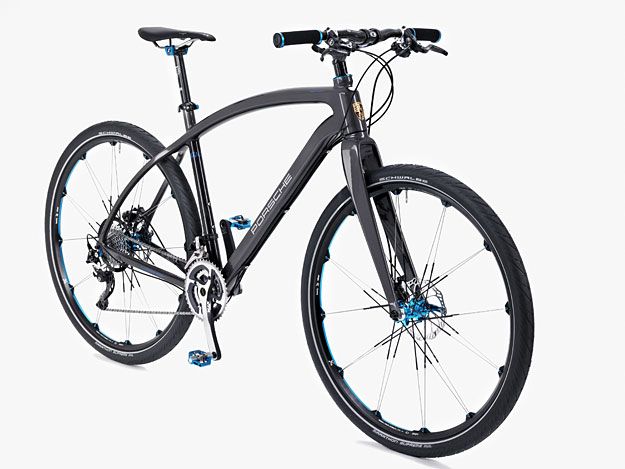
Porsche Commuter: Why A Bicycle Is Your Eco-Friendly Option
The blend of cycling and commuting is transforming cities worldwide, with the bicycle Porsche emerging as a symbol of this modern urban mobility. Blending...

Windsor CA: Our Heartfelt Thanks to First Responders | First Responders Appreciation
In the heart of Windsor, California, the unwavering spirit of community is puckered by the selfless work of our first responders. These heroes, our neighbors...

First Responders Life Insurance: Protecting Those Who Protect Us
First responders are not just everyday heroes; they're an essential part of our society, always ready to protect and serve. But like anyone else, they and...

Beeswax Tea Lights: Natural & Eco-Friendly
Experience the soft, radiant glow of beeswax tea lights , a timeless choice for ambiance and a sustainable alternative to conventional candles. Crafted from...