Mastering Your Truck Bed: The Ultimate Prep Guide for Liner Installation
Preparing a truck bed for a liner can significantly enhance its durability, aesthetics, and functionality. A well-prepared bed ensures a smooth installation process and a longer lifespan for your truck bed liner. Here, we'll guide you through the best way to prep your truck bed for a liner, ensuring an optimized experience for both you and your truck.
TLDR: Preparing your truck bed involves cleaning, removing roughness, addressing rust, applying primer, and roughening the surface for improved adhesion.
Preparation Starts with Cleaning
The first step in preparing your truck bed is to ensure it's clean and free of debris. Dirt, grease, and other contaminants can interfere with the liner's adhesion and appearance.


Deep Cleaning
Start by removing any large debris from the truck bed. Use a broom or a compressed air nozzle to get rid of loose dirt and dust. Then, wash the truck bed with a mild detergent and water, or use a specialized truck bed cleaning solution to tackle tougher stains and grease.
Degreasing
Degreasers are essential for removing stubborn grease and oil that standard car wash products might not eliminate. Spray a degreaser onto the truck bed, let it soak for a few minutes, then scrub and rinse thoroughly.


Surface Roughness and Rust Removal
Before applying a truck bed liner, it's crucial to address any roughness or rust on the bed's surface. This step ensures a smooth application process and helps prevent rust from spreading.
Sanding and Roughness Removal
Begin by using sandpaper (80-120 grit) or a sanding sponge to remove any rust, paint, or rough spots on the truck bed. Work in a steady, rhythmic motion, sanding against the direction of the existing scratches. Be sure to remove all sanding dust with a tack cloth or a damp towel.
Dealing with Rust
If your truck bed has rust, use a rust converter or primer to treat the affected areas. After applying the rust converter, sand the surface again to ensure a smooth base for the liner. If the rust is extensive, you may need to consider professional help or replace the affected panels.


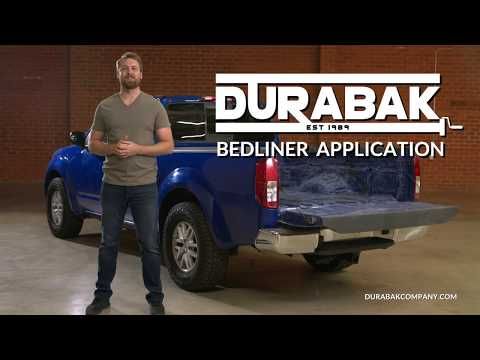
Priming for Liner Success
Applying a primer before your truck bed liner installation can help improve adhesion and ensure a long-lasting, high-quality finish.
Choosing the Right Primer
Select a primer designed to work with your chosen truck bed liner material – be it spray-on, roll-on, or drop-in. Ensure the primer is compatible with your truck's paint and matches the recommended application process for your liner.
Applying the Primer
Follow the manufacturer's instructions for application methods and dwell times. Typically, you'll apply the primer using a spray gun, roller, or brush, allowing it to dry completely before proceeding with the truck bed liner application.


Prepping the Surface for Optimal Adhesion
To ensure the best possible adhesion, perform one final step to roughen the truck bed's surface.
Corrosion-Resistant Coatings
Apply a corrosion-resistant coating, like a liquid de-icer or a rust-inhibiting chemical, to the truck bed's surface. This creates micro-pores and ensures a mechanical bond between the truck bed and the liner, enhancing adhesion and durability.
Drying and Final Preparation
Allow the surface to dry completely before applying the truck bed liner. This final step prepares your truck bed for an optimal installation, resulting in a long-lasting, functional, and attractive finish that will protect your truck bed for years to come.
With a thorough preparation process, you're ready to install your truck bed liner. By following these steps, you'll ensure a successful application that will enhance both the appearance and functionality of your truck bed. Happy trucking!
Related Articles

Secure & Tough: Your Ultimate Guide to Truck Wheel Nuts
Truck wheel nuts are a critical component of commercial vehicle safety and integrity. These small yet mighty fasteners secure the wheels to the vehicle's hub...

Unbeatable Guide: Top Rated Brake Lathes - Your Ultimate 2023 Review
When it comes to vital car maintenance, one procedure that often goes overlooked is brake lathe services. This crucial operation involves turning your...

Mastering 1996 Cadillac Remote Control: Your Ultimate Guide
The year 1996 brought about a significant advancement in automotive convenience and innovation with the introduction of the remote-controlled Cadillac. This...

Mastering Your Engine: The Ultimate Guide to Mixing Engine Oil
Mixing engine oil might seem like a simple task, but understanding the different types of oil and their compatibility is crucial for ensuring your vehicle's...

Ga to Montana: Your Ultimate Travel Guide
Embarking on a journey from Georgia to Montana, a distance of nearly 1,800 miles, is an adventure that beckons every travel enthusiast. This vast expanse...

Ram 1500 Bed Rack: Ultimate Upgrade for Your Truck
The RAM 1500 pickup truck, renowned for its robust design and impressive capabilities, has carved a niche for itself in the truck market. One of its standout...