Asia Billing Address: Streamline Operations
Billing addresses are a crucial aspect of any business transaction, ensuring that goods and services reach the correct destination. In the realm of Asia's diverse e-commerce landscape, understanding 'asi billing address' trends and best practices can significantly enhance your business's checkout process and customer satisfaction.
The Asia-Pacific region, with its vast cultural and economic diversity, presents unique challenges and opportunities for businesses operating in the e-commerce sector. Navigating the intricacies of billing address formats, services, and customer expectations is key to successfully capturing the Asian market.
Understanding Asia's Billing Address Landscape
Asia, with its robust economic growth and increasing digital penetration, is an attractive e-commerce market. However, it presents a complex billing address landscape, primarily due to language barriers, varying address formats, and diverse payment systems.
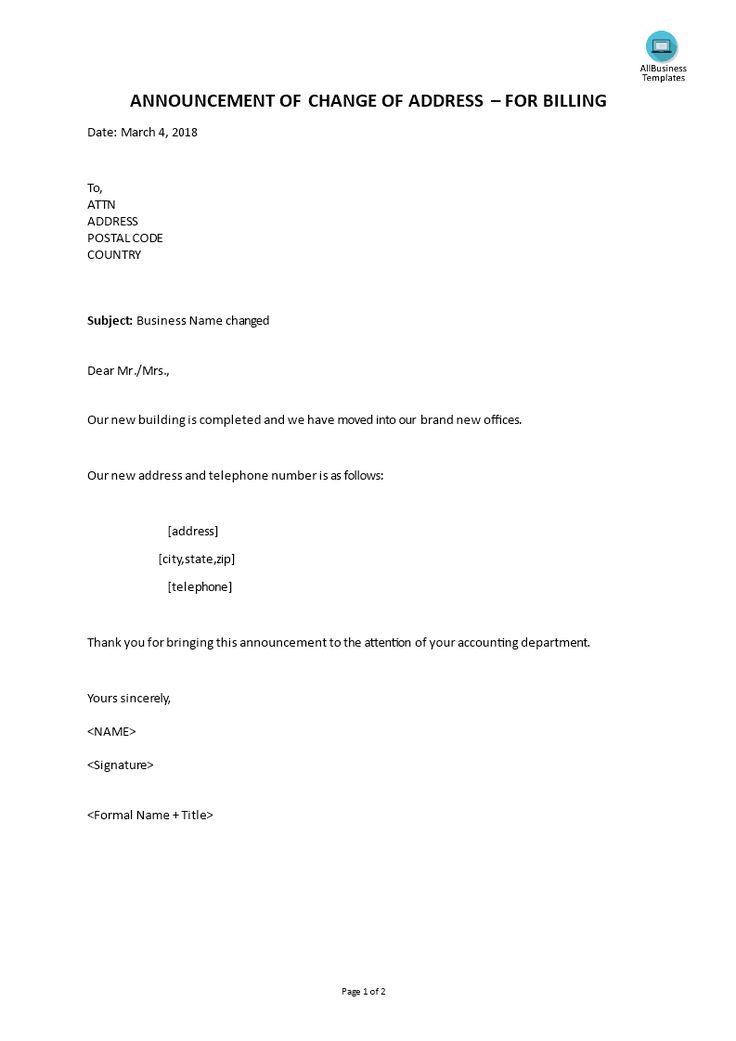


Addressing these challenges requires a thorough understanding of the regional nuances. For instance, addresses in China typically start with the city name, followed by the district, then the street, and finally the house number. In contrast, India's addresses often begin with the house number followed by the street, district, city, and state.
Navigating Language Barriers
With numerous official and widely spoken languages, Asia presents a significant language barrier challenge. Ensuring your billing address forms can accurately capture and display customers' addresses in their native language is critical for smooth delivery processes.


Consider providing drop-down menus or typeahead suggestions for cities and towns, and offering options to switch languages for a seamless checkout experience. Integrating Divvy's platform, for example, can help overcome language barriers by offering multi-language address AutoComplete API.
Knowing the Payment Systems
Asia is a cash-based society, with digital payments gaining traction rapidly. Understanding and integrating popular payment systems like Alipay, WeChat Pay, GrabPay, and Paytm can significantly improve the checkout process and customer satisfaction.
These platforms often require specific billing address formats and generate unique payment references that must be captured accurately for a successful transaction. Integrating these systems requires a deep understanding of their address and payment reference requirements.


Optimizing Billing Address for Enhanced Checkout Experience
Optimizing the billing address field can lead to improved checkout conversion rates and customer satisfaction. This involves minimizing form fields, reducing errors, and providing real-time validation.
Consider using smart address forms that automatically suggest and auto-fill parts of the address based on the user's initial input. This not only saves time but also reduces errors and improves data accuracy.
Reducing Form Fields
Simplify billing address entry by minimizing form fields. This can be achieved by separating the address into 'residential' and 'work' addresses or using smart features that automatically fill in common address elements based on initial inputs.


For instance, Divvy's AddressAutoComplete API can significantly reduce form fields by predicting the address based on initial inputs, ensuring accurate and fast data capture.
Real-time Validation for Error Reduction
Real-time validation helps customers identify and correct errors as they complete the form. This improves data accuracy, reduces cart abandonment, and enhances the overall checkout experience.
Consider using real-time validation tools that compare the entered address with known formats and highlight discrepancies immediately. This helps customers correct errors promptly, preventing unnecessary delays and improving checkout conversion rates.
The Asian market's potential is significant and growing. To unlock this potential, businesses must navigate the region's complexity with an in-depth understanding of the billing address landscape, optimized checkout processes, and a customer-centric approach. By doing so, businesses can tap into Asia's vast e-commerce market, driving growth and success in a competitive global landscape.
Related Articles

Brain OS Fleet Management: Streamline Vehicle Operations
BrainOS has revolutionized fleet management by empowering businesses with a sophisticated, AI-driven platform that optimizes operations, enhances safety, and...

ACS Billing Service: Streamline Invoicing & Boost Revenue
Navigating the complex landscape of medical billing and claims management can be overwhelming for healthcare practices. This is where a professional ACS...

Efficient Nuts Packaging Machines: Streamline Your Operations
In the bustling world of food processing and packaging, machine automation has proven to be a game-changer, with nuts packaging machines being no exception...

Universal Fleet Cards: Streamline Your Operations
Universal fleet cards have revolutionized the way businesses manage their vehicle operations, offering a streamlined, secure, and cost-effective solution...

Amazon Billing Address: Change, Update & FAQs
Managing your Amazon account efficiently often involves understanding and controlling your billing address. This critical piece of information influences where...

Journey Management Plan: Streamline Operations, Boost Efficiency
Embarking on a new venture, a project, or even a career shift often feels like(child)navigating an uncharted territory. This is where a well-structured journey...